We all are feeling it—gas prices rising, everyday costs climbing, and long‑distance, summer travel seeming less and less likely. Still, summer adventures don’t have to feel off the table when you have access to an RV and solar on board. Road trips, campfires, national parks, and those spontaneous pull‑overs along the way are still very much within reach. Whether you already own one or you’re thinking about renting an RV for the first time, having solar power on board can mean fewer limits on where you stay and how long you linger. It’s about gaining flexibility, staying comfortable, and keeping the focus on memories instead of meters and hookups.
Here are five ways solar can help save your RV summer vacation, when travel costs are at an all‑time high.
1. Stay Longer WITHOUT Paying for Hookups
Standard RV parks with full hookups are convenient but have raised their rates to keep up with rising electricity costs, especially during peak summer months. With a properly sized solar system, your panels recharge your batteries during the day, powering essentials like lights, fans, water pumps, and electronics without the need of shore power. The result? More nights in the park for less money, skirting the “resort” prices.
The Savings: Choose lower‑cost, non‑hookup, or partial‑service RV sites and avoid the daily electrical hookup fees that can add up over a week or longer.
2. Cut Fuel Costs by Avoiding Generator Use
Gas prices aren’t just affecting how much we spend to drive; they’re also impacting how much it costs to run a generator. If you don’t have solar, you’re likely burning gasoline or propane in a generator to keep your electronics alive. At current fuel prices, running a generator for just a few hours a day can cost you $20 daily. Not only that, but generators also burn through fuel quickly, require regular maintenance, and can be quite noisy and restrictive in certain RV parks.
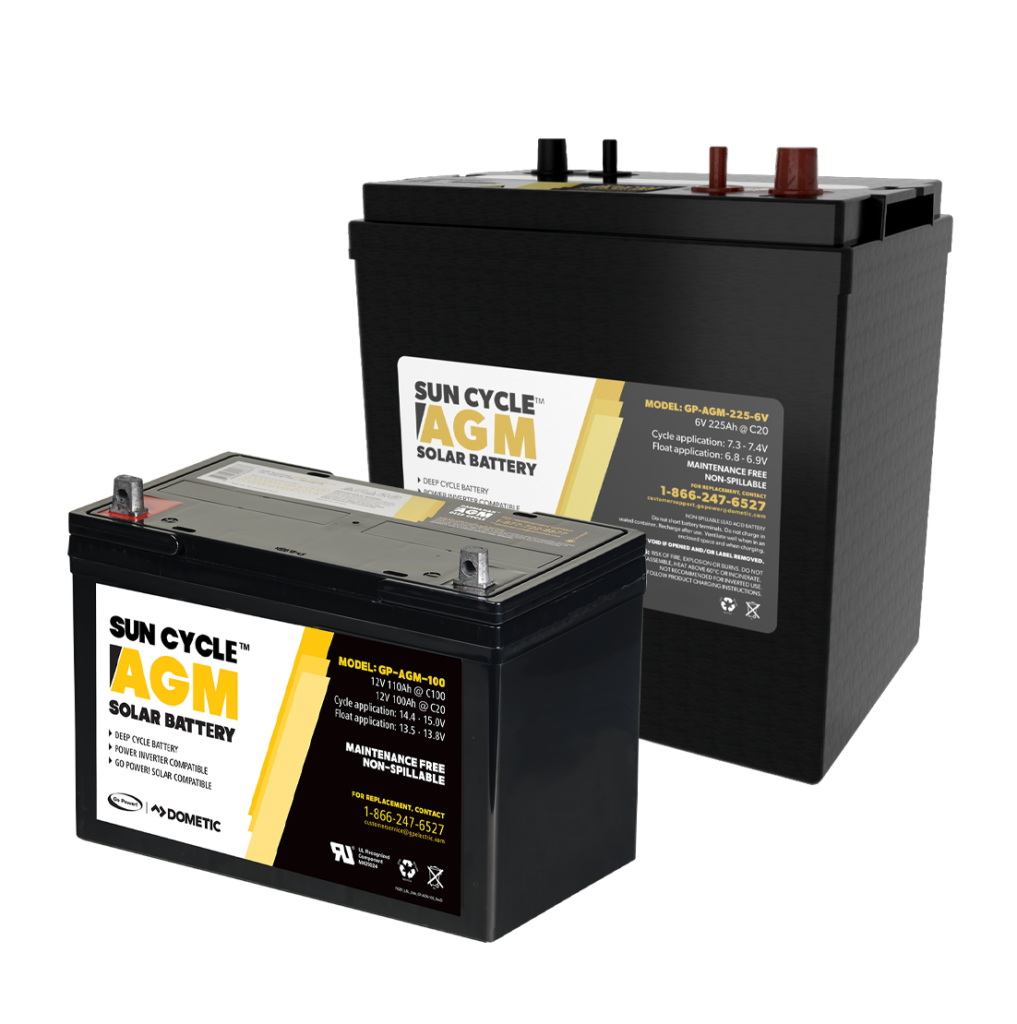
The Solar Advantage: Solar panels harvest energy silently and for free. Keep your 100Ah batteries topped up while you’re out hiking, without spending a dime on extra fuel.
Solar power gives you quiet, fuel‑free energy all day long. Every hour your solar system replaces generator usage is money saved on gas, not to mention fewer oil changes and repairs.
Less fuel burned = lower vacation costs.
3. Crowded VS Remote RVing
With gas prices at all-time highs, the math has shifted. Travelers are now choosing to drive less and stay longer in one spot. Solar empowers you to find a stunning remote location and stay there for a week or more. Without the need to find a plug-in every two days, you can drastically reduce your mileage.
Without Solar: You are tethered to expensive RV parks. If the park is full or too pricey, you’re forced to run a loud generator (consuming more fuel) to keep your lights and fridge on.
With Solar: You can park in remote, beautiful locations for free. The “extra” you pay if you are renting is often completely offset by the $300–$500 you save in campsite fees over a week-long trip. You’ll see more of the landscape and much less of the gas station.
4. Protect Your Grocery Haul
Cooking in a solar-equipped RV is the ultimate strategic move to combat 2026’s rising travel costs. While restaurant prices have surged, with a mid-range family dinner now easily topping $100, the same meal prepared in your rig using store-bought groceries typically costs just $20 to $30. By utilizing solar to maintain a reliably powered kitchen, a family can save upwards of $150 to $200 per day, effectively offsetting the cost of gas.
Furthermore, unlike traditional battery setups that can fail overnight, solar keeps your fridge at a steady 2°C (36°F), which protects a few hundred dollars’ worth of groceries from spoiling. That means you can buy in bulk, shop at cheaper stores, and rely less on overpriced roadside meals.
The Bottom Line: Preparing three meals a day in the RV can save a family over $1,400 on a week-long trip, more than enough to compensate for high gas prices.
Better Quality for Less: You control the ingredients, ensuring your family eats fresh, healthy meals that are significantly higher in quality than standard “quick-stop” travel food.
5. Solar Pays for Itself Over Time—Especially Now
Yes, solar is an upfront investment but in today’s high-cost travel environment, it often pays for itself faster than people expect. Consider the savings from:
Fewer paid campsites
Reduced generator fuel and maintenance
Less wear and tear on electrical systems
Extended battery life
When gas, campground fees, and maintenance costs are all rising, solar becomes less of a luxury and more of a long-term cost-control strategy. For frequent RV travelers, the return on investment can start showing up within just a few seasons.
For those hesitant to buy, renting a solar-equipped RV is a “try-before-you-buy” financial win. You get the experience of a high-end off-grid system (lithium batteries, high-efficiency panels) without the upfront costs, to see exactly how much a solar setup can save you in real-world conditions.
The Trial: Rent a solar-powered rig this summer to see how much you save on fees and fuel before you commit to your own build.
How Much Does It Cost to Outfit an RV With Solar in 2026?
Prices vary by RV size and expectations, but most setups fall into three realistic tiers:
Entry Level Solar
(Good for Weekenders)
Mid Range Solar (Most Common for Summer Travel)
High Capacity / Off Grid Systems (Full-time RVers)
Typical cost: $1,200–$2,000 installed
200–300W solar
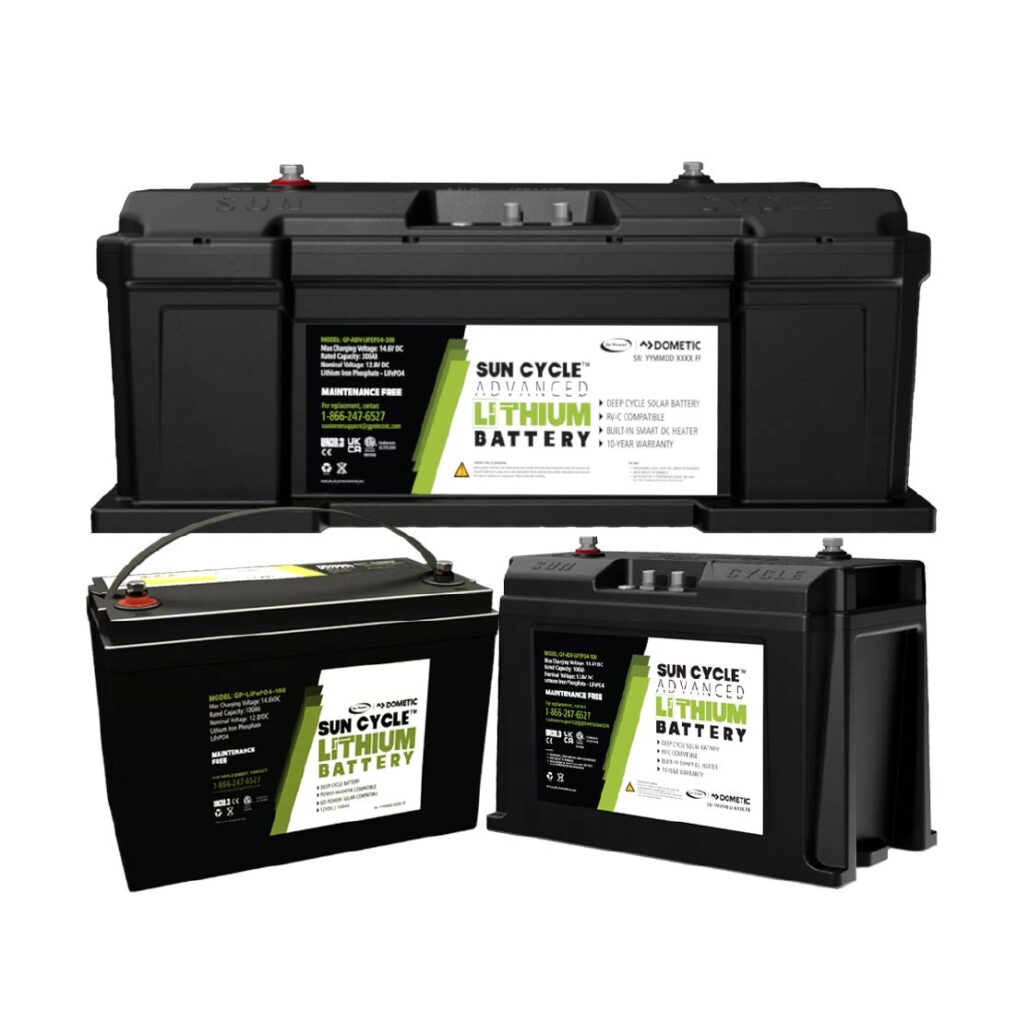
Lithium or AGM battery
Inverter/basic solar controller
What it replaces:
Light generator use
Hookups for short stays
Basic daily electrical needs
Typical cost: $2,500–$4,500 installed
400–600W solar
200Ah+ lithium battery bank
Quality inverter and controller
What it replaces:
Heavy generator use
Frequent paid hookups
Day‑to‑day power anxiety
This is where most people show interest in the cost‑savings.
Typical cost: $6,000–$10,000+
800–1,200W solar
Large lithium bank
High‑output inverter
What it replaces:
Nearly all hookups and generator use
Long off‑grid stays
This tier is less about pure payback and more about lifestyle/full-time living in an off-grid set up.
Go Power! Mobile Power Systems
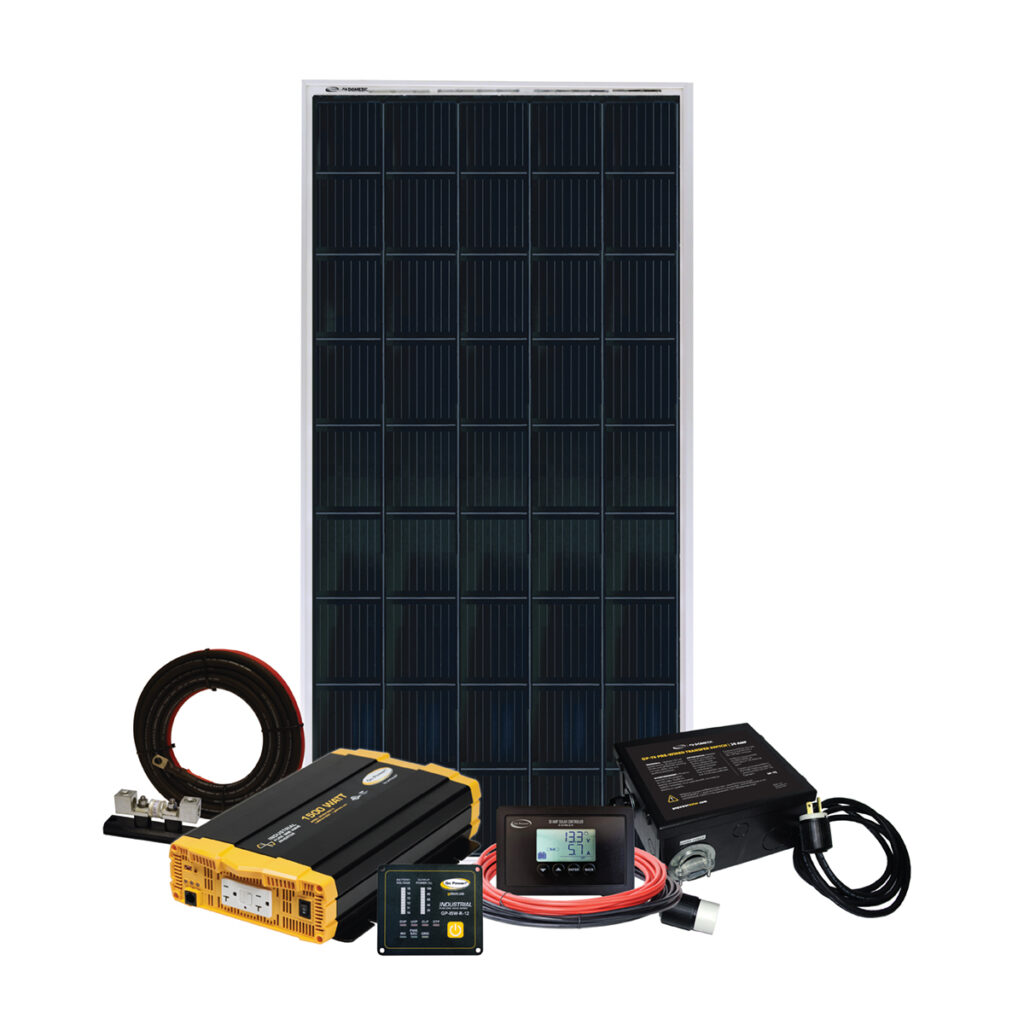
Weekender ISW Solar Charging System (200 watts)
The Weekender ISW System combines our largest single Solar Kit and our most popular pure sine wave inverter, for a complete RV power package.
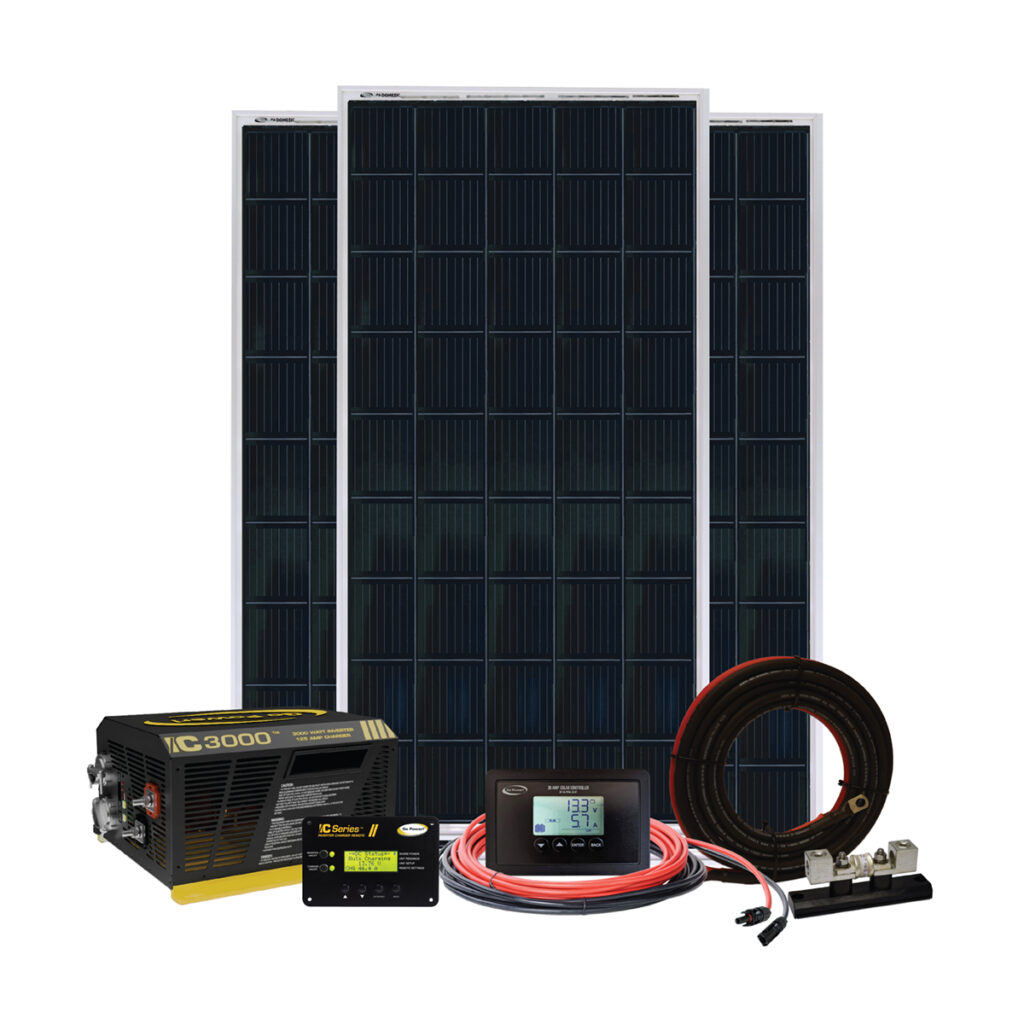
Run up to 3000 watts of appliances or electronics at a time and depending on your exposure to the sun, charge your battery with almost 29 amps of charging current.
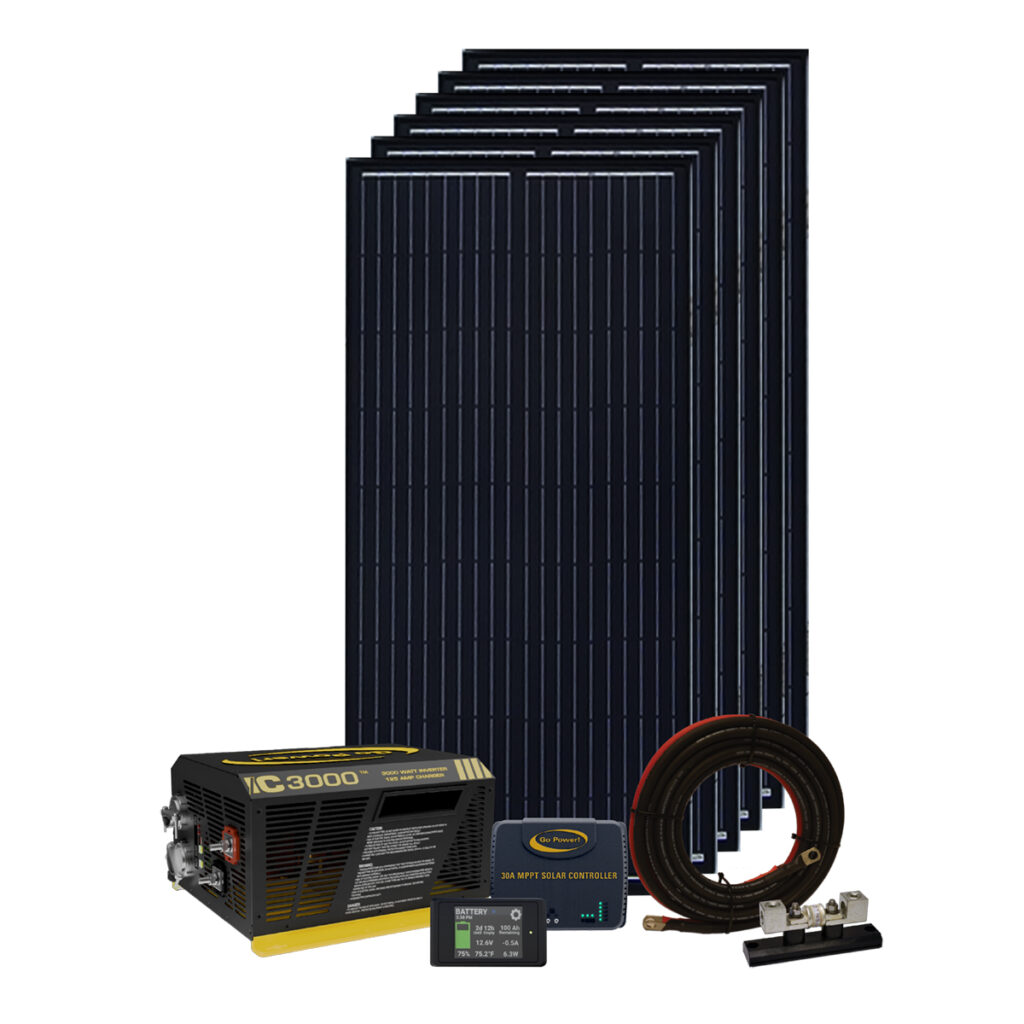
The PowerTrak™ 1200-Watt is a complete power system ideal for robust off-grid power. Includes all components required for charging from solar and shore power.